Viewing 153 - 160 out of 338
Learn More

Article

Contact Lenses
Bifocal Contacts
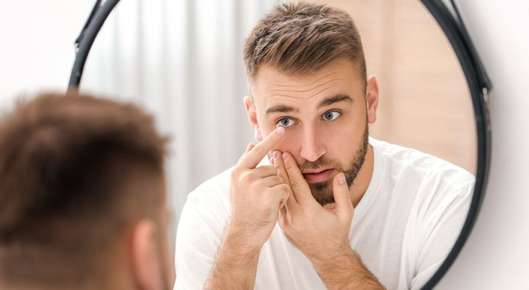
Bifocal contact lenses are a type of contact lens that combine two different prescriptions in the same lens. One component corrects nearsightedness and the other prescription addresses farsightedness or farsightedness. Several types of bifocal contacts are available; your eye care provider can help you
Contact Lenses
Contact Lens FAQ
Can I wear contact lenses? Most people are able to wear contact lenses safely and comfortably. There are contact lenses that correct for nearsightedness, farsightedness, astigmatism, and other vision problems. An optometry exam can determine what lenses are appropriate for you. Are contact lenses safe
Common Eye Conditions
Pinguecula and Pterygium (Surfer's Eye)
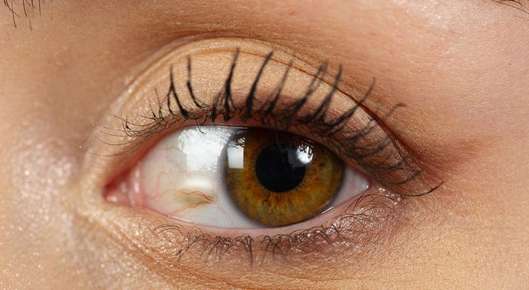
Characterized by a yellowish raised part of the scleral conjunctiva (the lining of the white part of the eye), a pinguecula usually develops near the cornea (colored part of the eye), but does not extend past it. Similar to a callus on the skin, changes in tissues lead to the buildup of calcium, fat,
Common Eye Conditions
Macular Degeneration
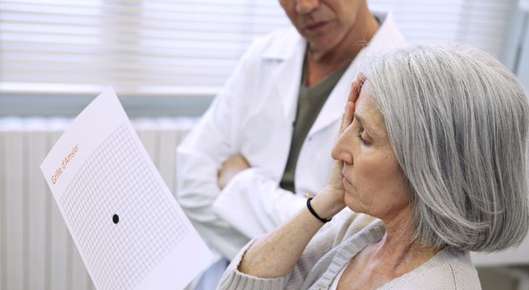
One of the most important reasons for regular examinations by your eye care provider is evaluate for the development of macular degeneration. According to the Bright Focus™ Foundation, this condition is the primary cause of loss of vision and blindness in older individuals ages 60 and above and is
Common Eye Conditions
Cataracts
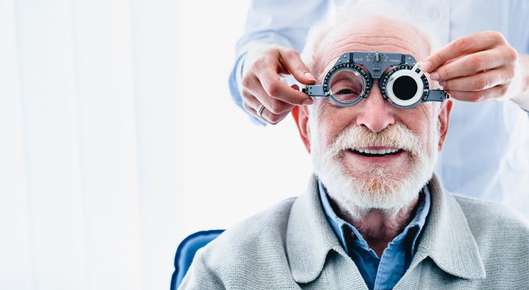
Many body parts begin to change as you age, and your eyes are no exception. One of the most common age-related eye changes is the development of cataracts. Although cataracts do not occur exclusively in older adults, they affect approximately half of all Americans by age 80. What Are Cataracts? Cataracts
Common Eye Conditions
Uveitis
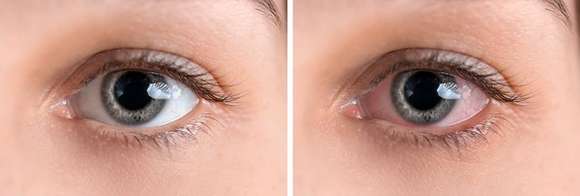
Uveitis refers to the inflammation of the eye's middle layer, which consists of the iris, ciliary body, and choroid. Several fungal, viral, or bacterial infections lead to uveitis, as do certain autoimmune (systemic) and inflammatory conditions. In most cases of uveitis, however, the exact cause is unknown. Types

Common Eye Conditions
Computer Vision Syndrome
Almost everyone uses computers in the modern world, whether for recreation, employment, education or any combination of the three. Unfortunately, our increased use of computers in almost every aspect of our lives -- even using a smartphone to make a telephone call -- requires our eyes to read a computer

Common Eye Conditions
Strabismus
Commonly called crossed eyes, strabismus is a condition in which eyes do not work together, failing to maintain proper alignment. While one eye focuses on an object, the other does not. The failure of the eyes to work together causes double vision, and if untreated can lead to an extreme reduction of
Page 1
Page 2
Page 3
Page 4
Page 5
Page 6
Page 7
Page 8
Page 9
Page 10
Page 11
Page 12
Page 13
Page 14
Page 15
Page 16
Page 17
Page 18
Page 19
Page 20
Page 21
Page 22
Page 23
Page 24
Page 25
Page 26
Page 27
Page 28
Page 29
Page 30
Page 31
Page 32
Page 33
Page 34
Page 35
Page 36
Page 37
Page 38
Page 39
Page 40
Page 41
Page 42
Page 43
Location
Click the map to view the location nearest to you
Office Hours
Our Regular Schedule - BY APPOINTMENT ONLY
